Key Takeaways
Beyond Aesthetics: Modern cladding is a high-performance system designed for thermal efficiency and moisture management, not just visual appeal.
Material Innovation: Aluminum Composite Panels (ACP/ACM) and wood composites are leading the trend in both residential and commercial sectors.
Performance is Paramount: Proper building envelope design, including rainscreens and continuous insulation, is essential for Canada’s extreme climate.
Longevity and Value: Choosing durable, low-maintenance materials significantly reduces long-term costs and increases property value.
Professional Expertise: Successful projects rely on the integration of architectural design with precision installation by certified teams.
The Evolution of the Modern Building Skin
In the Canadian construction landscape, the concept of a building’s “exterior” has undergone a radical transformation. No longer is the outer wall seen merely as a barrier or a decorative finish. Instead, it has evolved into a sophisticated “skin”—a dynamic building envelope component that dictates the energy efficiency, structural longevity, and architectural identity of a property. Whether we are discussing a custom modern home or a sprawling commercial complex, the choice of cladding has become one of the most critical decisions in the development process.
As we move toward 2035 and beyond, the focus is shifting away from traditional, high-maintenance materials toward innovative systems that can withstand the brutal freeze-thaw cycles of the North while maintaining a pristine, contemporary look. This shift is driven by a combination of stricter building codes, a desire for sustainable living, and a global trend toward sleek, minimalist architectural styles.
Residential Cladding: Elevating the Modern Home
For homeowners, the goal is often to balance curb appeal with long-term durability. Traditional vinyl and wood siding, while still present, are increasingly giving way to more robust “cladding” systems. While people often use the terms interchangeably, there is a technical distinction that matters for property value. Siding is typically a single-layer material applied directly to the wall, whereas a cladding system is an integrated assembly that often includes air gaps and drainage layers.
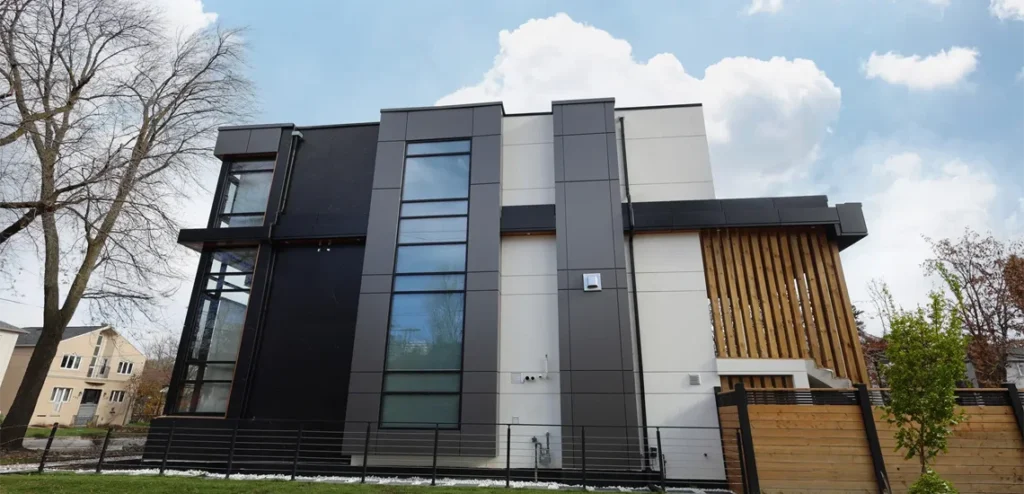
One of the biggest trends in high-end residential design is the use of Aluminum Composite Panels (ACM). Once reserved for commercial skyscrapers, these lightweight, ultra-flat panels are now being used to create striking residential facades. They offer a level of precision and smoothness that traditional materials simply cannot match. Homeowners are also gravitating toward wood composite cladding, which offers the warmth of natural cedar or oak but without the constant need for staining, sealing, or pest management. Understanding the differences between cladding and siding is the first step for any homeowner planning an exterior renovation, as it determines everything from the installation method to the long-term maintenance schedule.
Commercial Cladding: Strength, Branding, and Efficiency
In the commercial sector, the requirements for cladding are even more demanding. These buildings must project a professional image, adhere to stringent fire safety regulations, and manage the massive thermal loads associated with large structures. Commercial cladding isn’t just about protection; it’s a branding tool. Retail spaces, office towers, and industrial facilities use custom-colored ACM panels and metal facades to create a cohesive brand identity that stands out in a competitive urban landscape.
The push for energy efficiency is particularly strong in the commercial world. Large-scale cladding systems are now engineered to incorporate high-performance insulation that eliminates “thermal bridging”—the process where heat escapes through the structural frame of the building. By wrapping the building in a continuous thermal blanket, developers can drastically reduce heating and cooling costs, a vital consideration in a market increasingly focused on ESG (Environmental, Social, and Governance) goals.
The Science of the Building Envelope: Why Performance Matters
The real “human” value of cladding lies in what you can’t see. Behind the beautiful panels lies a complex system of weather barriers, insulation, and ventilation. In Canada, the primary enemy of any structure is moisture. If water gets trapped behind the exterior finish, it can lead to rot, mold, and structural failure.
Modern systems utilize “rainscreen” technology. This design creates a small air gap between the cladding and the inner wall. This gap allows air to circulate, drying out any moisture that manages to penetrate the outer layer. It also equalizes the air pressure, which prevents wind from “driving” rain into the building’s joints. This level of technical engineering is why it is essential to work with expert cladding installation teams who understand the specific requirements of the local climate and provincial building codes. A poorly installed system is more than just a visual flaw; it is a ticking time bomb for the building’s structural integrity.
Choosing the Right Materials for the Canadian Climate
The diversity of materials available today is staggering, but not all are created equal when faced with Canadian winters. Metal cladding—specifically aluminum and steel—remains a top choice for its resilience. It doesn’t crack in the cold, it doesn’t fade under intense UV exposure, and it is almost entirely fireproof.
Fiber cement is another popular contender, offering a masonry-like durability that is resistant to rot and impact. For those seeking a more organic feel, wood composites are the way of the future. These materials blend recycled wood fibers with advanced resins to create a product that looks like real wood but behaves like a high-performance plastic, resisting the moisture and temperature fluctuations that would warp or decay traditional timber.
The Economic Value of a Premium Exterior
While the upfront cost of advanced cladding systems like ACM or high-end composites can be higher than basic siding, the return on investment is significant. A premium exterior drastically reduces the “lifecycle cost” of a building. When you don’t have to repaint every five years, replace rotted boards, or deal with pests, the savings add up quickly.
Furthermore, a modern, well-maintained exterior is a major selling point. In both residential and commercial real estate, first impressions are everything. A building that looks modern and “low-maintenance” will always command a higher price and attract better tenants or buyers than one that looks dated and requires immediate repair. Investing in quality cladding is an investment in the equity of the property itself.
Integration and Professional Execution
No matter how high-quality the material, the success of a project ultimately comes down to execution. The transition from an old, tired facade to a modern masterpiece requires a coordinated effort. This includes a thorough site assessment, precise material fabrication, and a technical installation that respects the building’s existing structure.
Finding the right professionals to handle these complex projects is crucial for any property owner. Whether you are looking for specialized contractors or general oversight for a larger project, exploring the renovation and construction category can connect you with the right expertise to ensure your vision is realized safely and efficiently. This level of professional integration ensures that your new exterior isn’t just a surface-level upgrade, but a long-lasting improvement to the property’s performance.
Sustainability and the Green Building Movement
Sustainability is no longer a niche concern; it is a primary driver in the construction industry. Modern cladding materials are increasingly made from recycled content and are themselves 100% recyclable at the end of their lifespan. Aluminum, in particular, is a “cradle-to-cradle” material that can be reused indefinitely without losing its structural properties.
By improving the thermal performance of the building, these systems also play a direct role in reducing the carbon footprint of our cities. A building that requires less energy to heat is a building that is contributing to a more sustainable future. As carbon taxes and energy regulations become more stringent, high-performance cladding will transition from a luxury to a necessity.
Conclusion: A Vision for the Future
The evolution of residential and commercial cladding in Canada is a reflection of our changing priorities. We are moving toward a built environment that is smarter, safer, more efficient, and more beautiful. By embracing material innovation and prioritizing technical performance, we are creating structures that can stand the test of time and the challenges of our climate. Whether you are a homeowner looking to refresh your property’s look or a developer building the next urban landmark, the future of your building begins with the choice of its skin.