Home renovation trends evolve quickly, but one thing never changes: homeowners want to know which upgrades will actually pay off. In the Greater Toronto Area—where real estate values remain among the highest in Canada—smart renovations can significantly boost property value, improve livability, and help homes stand out in a competitive market.
But not every project delivers the same return. Some renovations offer excellent resale value, while others are more about lifestyle than investment. As we move through 2026, economic conditions, buyer preferences, and municipal regulations are shaping which improvements truly make financial sense.
This guide breaks down the renovations that offer the strongest return on investment (ROI) in the GTA, why they matter, and how homeowners can make informed decisions before starting their next project.
Why Renovation ROI Matters More Than Ever in 2026
The GTA housing market continues to shift. Interest rates, construction costs, and buyer expectations have all changed over the past few years. Homeowners are more strategic, focusing on upgrades that:
- Increase resale value
- Improve energy efficiency
- Reduce long‑term maintenance costs
- Enhance functionality for growing families
- Support multi‑generational living
- Make homes more competitive in a crowded market
With these priorities in mind, certain renovations consistently rise to the top for their ability to pay for themselves—or even generate profit—when it’s time to sell.
1. Basement Apartments & Secondary Suites (ROI: High)
Legal secondary suites remain one of the most profitable renovations in the GTA. Demand for rental housing is extremely high, and municipalities continue to support additional dwelling units (ADUs) to address housing shortages.
Why It Pays Off
- Generates rental income immediately
- Increases property value significantly
- Appeals to investors and multi‑generational families
- Helps offset mortgage costs
What Buyers Look For
- Proper permits and inspections
- Separate entrance
- Modern kitchen and bathroom
- Soundproofing
- Fire safety compliance
A well‑designed basement apartment can often return 100% or more of its cost over time through rental income and resale value.
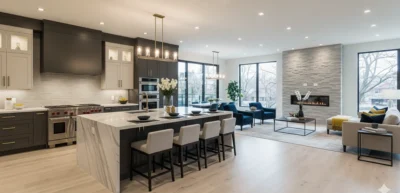
2. Kitchen Renovations (ROI: Moderate to High)
The kitchen remains the heart of the home—and one of the first areas buyers evaluate. In 2026, homeowners are prioritizing functional, bright, and energy‑efficient kitchens.
High‑ROI Kitchen Upgrades
- Quartz countertops
- Energy‑efficient appliances
- Updated cabinetry or refacing
- Modern lighting
- Improved layout and storage
Full luxury kitchen remodels may not always pay for themselves, but mid‑range renovations often deliver excellent value.
3. Bathroom Upgrades (ROI: Moderate to High)
Bathrooms are small spaces with big impact. A modern, clean, well‑designed bathroom can dramatically improve a home’s appeal.
Best Bathroom Investments
- Walk‑in showers
- Updated tile and fixtures
- Double vanities
- Improved ventilation
- Water‑saving toilets and faucets
Adding a second full bathroom—especially in older GTA homes—can significantly increase resale value.
4. Energy‑Efficient Upgrades (ROI: High)
With rising utility costs and growing environmental awareness, energy‑efficient improvements are among the smartest investments for 2026.
High‑ROI Efficiency Projects
- Window and door replacements
- Attic insulation
- Heat pumps
- High‑efficiency HVAC systems
- Smart thermostats
These upgrades reduce monthly bills and make homes more attractive to buyers who want long‑term savings.
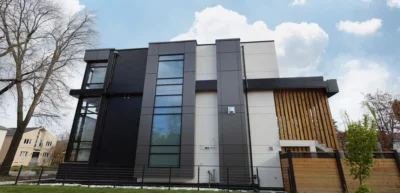
5. Exterior Improvements & Curb Appeal (ROI: Moderate to High)
First impressions matter. A home’s exterior sets the tone for the entire property.
Top Exterior Upgrades
- New siding or stonework
- Front door replacement
- Landscaping
- Driveway resurfacing
- Exterior lighting
Even small improvements—like fresh paint or updated house numbers—can make a home feel newer and more valuable.
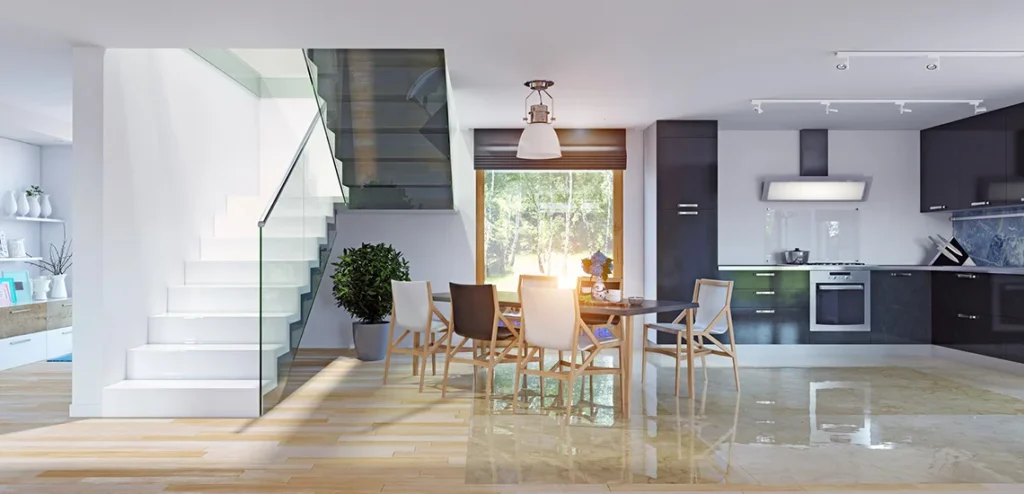
6. Open‑Concept Living Spaces (ROI: Moderate)
Open‑concept layouts remain popular, especially in older GTA homes with compartmentalized rooms. Removing non‑load‑bearing walls can create a brighter, more modern feel.
Why It Works
- Makes smaller homes feel larger
- Improves natural light
- Enhances flow and functionality
However, structural changes can be costly, so homeowners should weigh the investment carefully.
7. Outdoor Living Spaces (ROI: Moderate)
The pandemic permanently changed how people use their homes. Outdoor living remains a priority in 2026.
Popular Outdoor Upgrades
- Decks and patios
- Outdoor kitchens
- Covered seating areas
- Landscaping
- Fences and privacy screens
These improvements enhance lifestyle value and appeal to buyers, especially in suburban GTA communities.
8. Smart Home Technology (ROI: Moderate)
Smart home features are no longer luxuries—they’re expected. While tech alone may not dramatically increase resale value, it can help a home stand out.
High‑Value Smart Upgrades
- Smart thermostats
- Security cameras
- Smart locks
- Automated lighting
- Leak detection systems
These features improve convenience, safety, and energy efficiency.
9. Flooring Upgrades (ROI: Moderate)
Flooring is one of the most visible elements of a home. Replacing old carpet or worn hardwood can instantly modernize a space.
Best Choices for ROI
- Engineered hardwood
- Luxury vinyl plank (LVP)
- Porcelain tile in bathrooms
Consistency throughout the home is key—buyers prefer cohesive flooring.
10. Painting (ROI: Very High)
Painting remains the simplest, most cost‑effective renovation with one of the highest returns.
Why It Works
- Low cost
- Immediate visual impact
- Neutral colours appeal to buyers
Fresh paint can make an older home feel new again.
Renovations That Don’t Always Pay for Themselves
Not every project delivers strong ROI. Some upgrades are more about personal enjoyment than resale value.
Lower‑ROI Projects
- Swimming pools (high maintenance costs)
- High‑end luxury finishes
- Specialized hobby rooms
- Over‑customized designs
- Expensive landscaping that requires heavy upkeep
These can still be worthwhile if they improve your lifestyle—but they shouldn’t be viewed as guaranteed investments.
How to Maximize ROI on Any Renovation
Regardless of the project, homeowners can boost ROI by following a few key principles:
1. Get Proper Permits
Unpermitted work can reduce value and cause issues during resale.
2. Choose Quality Materials
Durability matters—especially in high‑traffic areas.
3. Avoid Over‑Renovating
Match the level of renovation to the neighbourhood. Over‑improving can reduce ROI.
4. Work With Trusted Contractors
Professional workmanship ensures longevity and safety.
5. Focus on Functionality
Buyers prioritize practical improvements over purely aesthetic ones.
6. Plan for Long‑Term Needs
Think about how your home will serve you over the next 5–10 years.
Final Thoughts: Renovating Smart in 2026
The best renovations are those that balance personal enjoyment with financial return. In the GTA’s evolving market, homeowners who invest in functionality, energy efficiency, and modern design tend to see the strongest payback.
Whether you’re preparing to sell or simply improving your living space, choosing the right projects can help your renovation dollars go further—and ensure your home remains competitive for years to come.