Key Takeaways
- Commercial cladding is having a breakout year in 2026, with Canada’s façade market projected to hit USD 8.56 billion and commercial buildings driving 57.4% of that demand.
- Retrofit and energy-retrofit cladding has overtaken pure new-construction work as the fastest-growing segment, fuelled by stricter energy codes and aging mid-rise inventory.
- ACM (aluminum composite material), HPL, and large-format insulated metal panels are dominating commercial specs thanks to their fire performance, speed of install, and modern aesthetic.
- Sustainability, smart cladding sensors, and woodgrain aluminum finishes are the three trends most likely to define Ontario commercial façades in 2026 and beyond.
Why Commercial Cladding Is Suddenly Everywhere in 2026
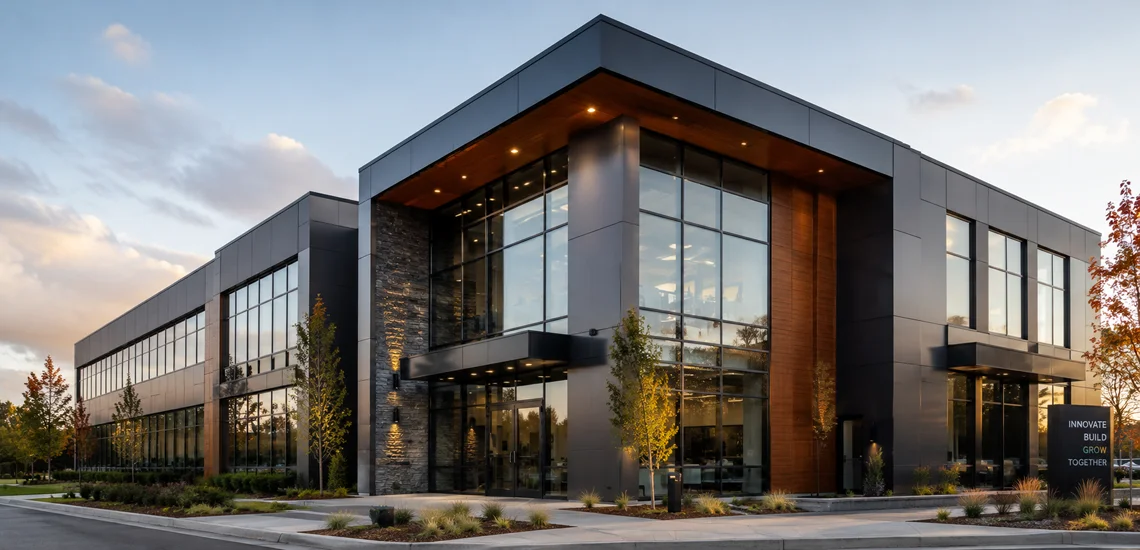
If you’ve driven past a strip plaza, office tower, or quick-service restaurant in the GTA lately, you’ve probably noticed something: the exteriors look completely different than they did even three years ago. Flat stucco and dated brick are being stripped off and replaced with sleek metal panels, woodgrain aluminum, and large-format composite façades.
This isn’t just a style shift. The Canadian commercial cladding sector is being pushed by tighter energy codes, insurance pressure around fire performance, and an aging stock of mid-rise buildings that need deep retrofits rather than demolition. Industry analysts now value the cladding market at roughly USD 135.89 billion globally in 2026, growing at a 6.37% CAGR — and commercial buildings account for over half of that demand. For property owners, developers, and contractors, that means cladding decisions made this year will shape both operating costs and curb appeal for the next two decades.
The Top Commercial Cladding Trends to Watch in 2026
Here’s what is actually moving the needle on commercial façade projects across Ontario this year:
- Retrofit-first thinking. Renovation cladding is now projected to grow faster than new-construction cladding (6.71% CAGR through 2031), as owners reskin 1970s–90s buildings instead of tearing them down.
- Insulated rainscreen systems. Continuous insulation behind a ventilated panel layer is becoming the default for new commercial envelopes, not a premium upgrade.
- Large-format ACM and HPL panels. Architects are favouring fewer, bigger panels with crisp reveal lines for a minimalist commercial look.
- Woodgrain aluminum finishes. Sublimation-printed aluminum that mimics oak, cedar, or walnut — without the maintenance — is exploding in popularity for restaurants, offices, and mixed-use podiums.
- Smart cladding. Embedded sensors that monitor temperature, moisture, and structural movement are quietly moving from pilot projects into mainstream specs.
- Bio-based and high-recycled-content composites. Embodied-carbon rules and green-building targets are pulling wood-polymer composites (WPC) and high-recycled aluminum into more bids.
Materials Driving Modern Commercial Façades
Not every cladding material is right for every project. In commercial work, the four categories you’ll see specified most often in 2026 are ACM panels, high-pressure laminate (HPL), insulated metal panels, and engineered wood composites.
ACM panels remain the workhorse of Canadian commercial cladding — particularly fire-retardant (FR) and non-combustible (A2) cores, which meet the National Building Code requirements for high-rises and institutional buildings. They install fast, hold colour for years, and give architects almost limitless flexibility. HPL is winning entry-level and mid-rise commercial work where a sharp, modern look is needed without the cost of full ACM. For projects where energy performance is the top concern, insulated metal panels combine the rainscreen and insulation layer into one component, slashing install time on big-box, industrial, and warehouse builds.
Engineered wood composites — like thermally modified wood and WPC — are filling the demand for natural-looking façades on restaurants, boutique retail, and amenity spaces, without the seasonal maintenance real cedar would require in our climate. For a broader look at material categories and where they fit, our deep dive into residential and commercial cladding in Canada walks through the trade-offs in more detail.
Performance, Code Compliance, and Why Specs Matter More Than Ever
In commercial work, aesthetics get the attention but compliance keeps the building standing. Since the high-profile cladding fires of the past decade, Canadian authorities have tightened how combustible cladding materials can be used on tall and institutional buildings — and insurers are watching closely.
Three performance factors should drive every commercial cladding decision in 2026:
- Fire performance. For mid- and high-rise buildings, specify non-combustible cores or FR-rated panels that meet NBC requirements.
- Thermal performance. A proper rainscreen with continuous exterior insulation will outperform a thicker traditional wall every time, and helps hit Tier 3–4 energy targets.
- Moisture management. A ventilated cavity behind the cladding is no longer optional in Canada’s freeze-thaw climate; it’s the difference between a 30-year façade and a 10-year warranty headache.
Sustainability: The Quiet Revolution in Commercial Cladding
Sustainability has shifted from a marketing line to a procurement requirement. Tenants — particularly Class-A office and institutional clients — are asking for embodied-carbon data before they sign leases, and provincial retrofit incentives now favour low-carbon envelope upgrades.
The materials gaining ground because of this include:
- Aluminum with high recycled content (often 70%+ post-consumer)
- Wood-polymer composites that replace virgin tropical hardwoods
- Fibre cement panels with reduced cement-clinker content
- Prefabricated panelized systems that cut on-site waste
For specialized commercial cladding work in the GTA — including design, supply, fabrication, and installation of ACM, HPL, wood composite, and natural metal panel systems — Toronto-based specialists like Buildsky are examples of the kind of single-source partners commercial owners are increasingly leaning on to keep these projects on schedule and on budget.
What Property Owners and Developers Should Do This Year
If you own or manage a commercial building in Ontario, 2026 is a smart year to re-evaluate your envelope. Energy retrofit incentives are still active in many municipalities, panel manufacturing capacity is healthy after several tight years, and material prices have stabilized.
A practical action plan looks like this:
- Get a façade condition assessment before scoping anything else — knowing what’s behind the existing cladding shapes every later decision.
- Set performance targets first, then choose aesthetics second (R-value, fire rating, expected service life).
- Shortlist 2–3 cladding systems that meet those targets, rather than locking in a single product early.
- Plan around long-lead items — custom colours and large-format panels can run 8–12 weeks.
- Bundle the cladding work with other exterior upgrades like windows, soffits, and roof edges to avoid touching the same trades twice. Our guide to exterior renovations covers how to sequence this efficiently.
Done well, a modern commercial cladding project pays you back three ways: lower energy bills, higher rents and occupancy, and a building that quietly markets itself for the next 20 years.